

Pet Surgery FAQs from a Veterinarian Near You in Kitchener, ON, Canada
Pet surgery, while sometimes necessary, can understandably cause anxiety for both pet owners and their furry companions. At Chicopee Hills Animal Hospital, your veterinarian in Kitchener, ON, Canada we understand these concerns and strive to make the surgical experience as smooth and stress-free as possible for both you and your pet.
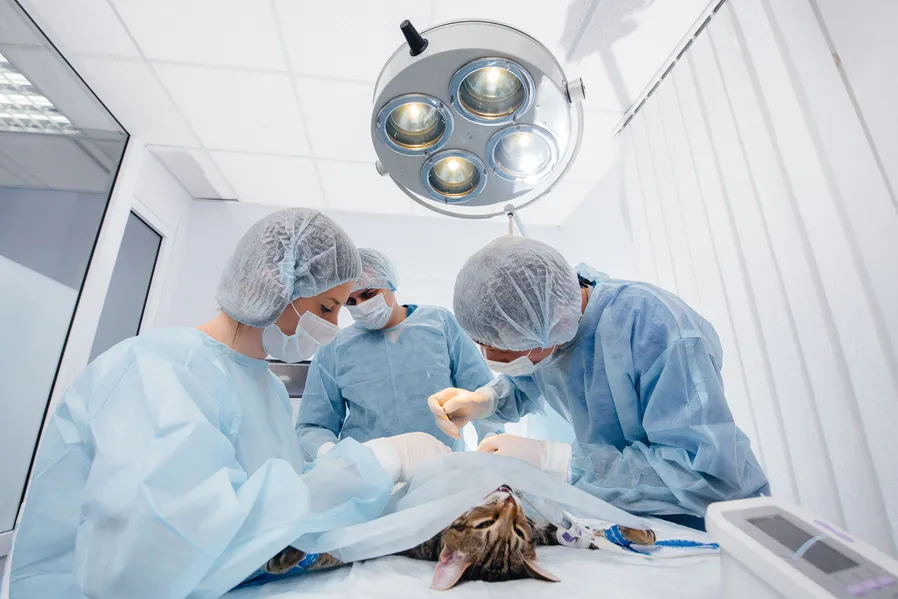
Common Questions about Pet Surgery
Here are some frequently asked questions to help you navigate the surgical process:
What Types of Surgeries Do You Perform?
Chicopee Hills Animal Hospital offers a wide range of surgical procedures, including:
● Spays and Neuters: Routine sterilization procedures for male and female cats and dogs.
● Soft Tissue Surgeries: Procedures involving the abdomen such as intestinal foreign bodies and bladder stone removal.
● Dental cleaning and extraction: Regular dental cleaning, full mouth dental x-rays, gum pocket assessment and dental extractions
● Tumor Removal: Surgical removal of benign and malignant tumors.
How Can I Prepare My Pet for Surgery?
Proper preparation is crucial for a successful surgical outcome. This may include:
● Fasting Instructions: Your veterinarian will provide specific instructions regarding food and water restrictions prior to surgery.
● Pre-anesthetic Bloodwork: Bloodwork is needed to assess your pet's overall health and identify any potential risks.
● Medication: Your veterinarian will prescribe oral sedation to help your pet relax prior to coming for their procedure. This helps us to use less general anesthesia and improve anesthesia safety.
What Can I Expect After Surgery?
Post-operative care is essential for smooth recovery. This may include:
● Pain Medication: Pain medication will be prescribed to help manage any discomfort.
● Rest Restrictions: Your pet will need to be confined to a limited area and avoid strenuous activity.
● Sedation Medications: These are sometimes prescribed to help keep your pet quiet and calm during the recovery period.
● Monitoring: You will be instructed to monitor your pet for any signs of complications, such as excessive bleeding, lethargy, decline in appetite, or difficulty urinating or defecating.
● Follow-up Appointments: Follow-up appointments are scheduled as needed to monitor your pet's recovery and ensure proper healing.
How Can I Reduce My Pet's Anxiety Before Surgery?
We understand that surgery can be stressful for both pets and their owners. We can offer guidance with calming techniques and may recommend other calming aids to help your pet feel more comfortable. Pets are often prescribed oral sedation medications to give prior to coming to the hospital for their procedure. This helps reduce the pet’s stress and anxiety in the hospital and often allows us to use lower doses of anesthetic medications, which makes general anesthesia safer.
Questions??
At Chicopee Hills Animal Hospital, your veterinarian in Kitchener, ON, Canada, we are committed to providing quality surgical care in a compassionate and supportive environment. We will answer all your questions, address your concerns, and work closely with you to help ensure the best possible outcome for your beloved pet. Call us at (519) 748-6638 for more information on surgical procedures offered at our practice.
