Pet Surgery in Kitchener, ON

Pet surgery at Chicopee Hills Animal Hospital in Kitchener, ON, supports dogs, cats, and rabbits when a routine or medically necessary procedure is recommended. Our team provides careful preparation, general anesthesia, patient monitoring, pain relief, and recovery guidance to help pets heal as safely and comfortably as possible.
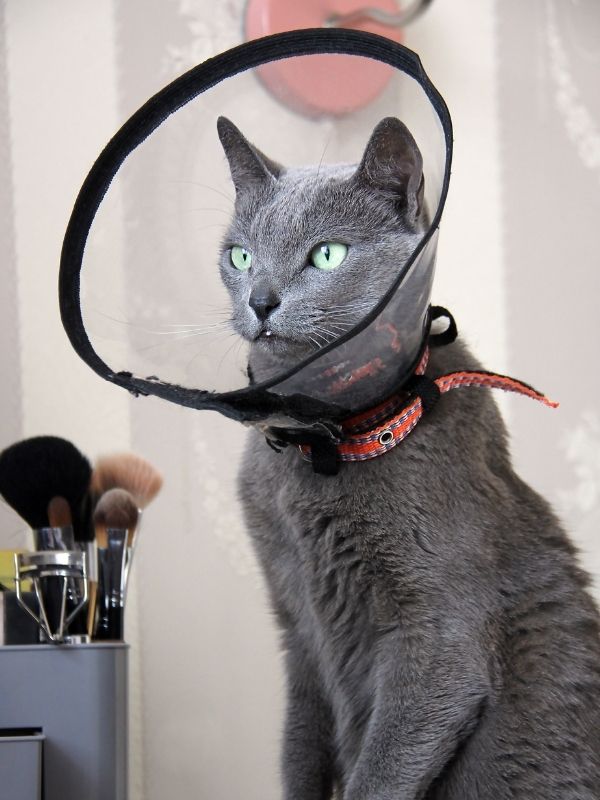
A gray cat with green eyes wears a clear cone and an orange and black collar. Makeup brushes and an eyelash curler are visible on a dresser in the background.

What Pet Surgery May Include

When your pet needs surgery, it is natural to feel concerned. Surgery may be recommended for preventive care, injury treatment, growth removal, wound repair, or a medical condition affecting your pet’s comfort or long-term health. Our veterinarians explain the process clearly so you understand what to expect before, during, and after the procedure.
Spay and Neuter
Routine spay and neuter procedures may be recommended to support reproductive health and help prevent certain medical or behavioural concerns.
Mass Removals
Lumps or tumours may need surgical removal for diagnosis, comfort, or treatment, depending on exam findings and your pet’s health.
Injury Repair
Surgery may be needed for wounds, trauma, or certain injuries that require cleaning, closure, stabilization, or ongoing follow-up care.
Medical Conditions
Some surgeries address internal concerns such as digestive, urinary, or other health issues when surgical treatment is appropriate.
Pre-Surgical Exam
Before surgery, our veterinarians assess your pet’s overall health and review any recommended testing or preparation instructions.
General Anesthesia

Pets are placed under general anesthesia so they remain pain-free and still during the surgical procedure.

Recovery Support
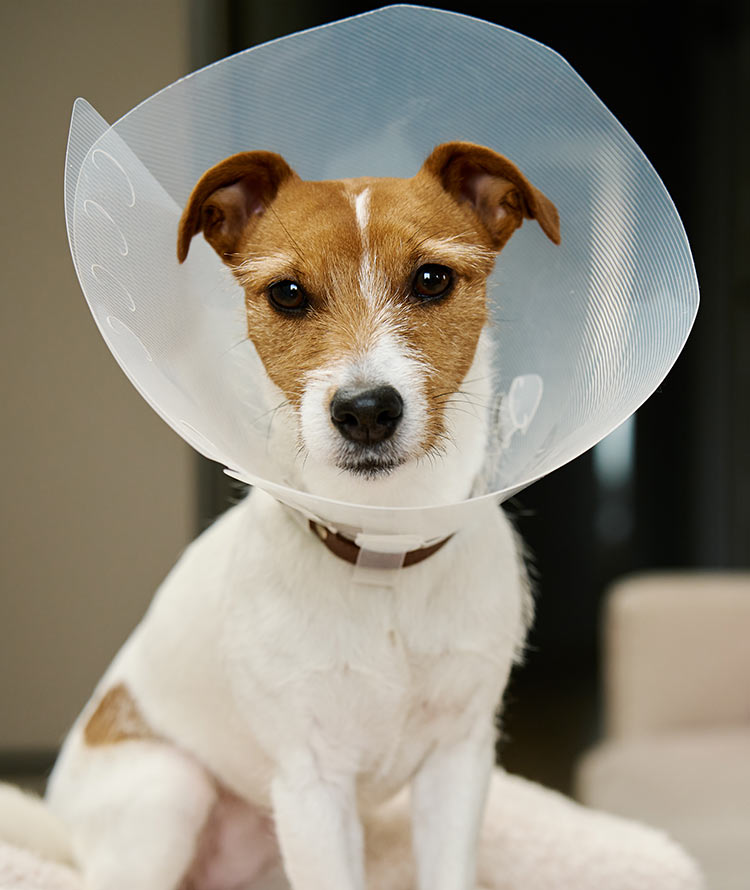
After surgery, our team monitors your pet and reviews medications, activity restriction, incision care, and recheck needs.
Jack Russell Terrier dog wearing a protective cone

Preparing for Your Pet’s Procedure

Preparation helps support a smoother surgical experience. Depending on the procedure, your pet may need blood work, fasting, medication instructions, or other steps before admission. Our team will review these details with you and answer questions so you feel informed before your pet’s surgery day.

Before Surgery

Follow fasting, medication, and arrival instructions carefully so our team can prepare your pet safely for anesthesia and treatment.

After Surgery

Recovery instructions may include pain medication, rest, incision checks, activity limits, and recheck appointments.

What to Expect During Surgery

During pet surgery, your pet is cared for in a controlled surgical setting while our veterinary team monitors anesthesia, comfort, and recovery. Diagnostics such as laboratory services or radiology and ultrasound may be recommended before surgery when they can help guide safe planning. You can also view our full veterinary services.
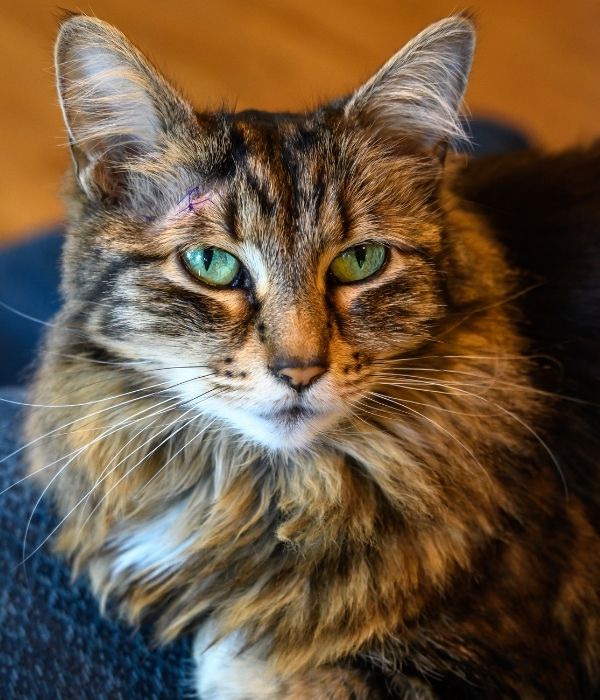
A close-up of a tabby cat with green eyes and a small wound on its forehead, resting on a dark blue textured surface.

Veterinary Surgical Care FAQs

These FAQs answer common questions about pet surgery at Chicopee Hills Animal Hospital. Our Kitchener team helps pet owners understand why surgery may be recommended, how pets are prepared, what happens during anesthesia, and what recovery may involve.

sparkles
Why might my pet need surgery?
Pets may need surgery for many reasons, including spaying or neutering, mass removal, wound repair, injury treatment, or medical conditions affecting internal organs or comfort. Chicopee Hills Animal Hospital will explain why a procedure is recommended and discuss what to expect before you make a decision.
How should I prepare my pet for surgery?
Before pet surgery, our team may provide fasting instructions, medication directions, drop-off timing, and recommendations for pre-anaesthetic blood work. Following these instructions closely helps reduce avoidable risks and allows our veterinarians to prepare an anaesthetic and surgical plan for your pet.
Will my pet be in pain during surgery?
Your pet will be under General Anesthesia during surgery so they remain pain-free throughout the procedure. Chicopee Hills Animal Hospital also provides pain relief and recovery instructions after surgery to help keep your dog, cat, or rabbit as comfortable as possible while healing.
What happens after my pet’s surgery?
After surgery, your pet is monitored during recovery before going home. Our team will review home care instructions, medications, incision monitoring, activity restrictions, feeding guidance, and any recommended recheck appointments so you know how to support healing at home.
When should I call after my pet’s surgery?
Call Chicopee Hills Animal Hospital if your pet seems extremely painful, will not eat as expected, vomits repeatedly, has trouble breathing, damages the incision, develops swelling or discharge, or seems unusually weak. Our team can advise whether your pet needs a recheck or urgent care.