Pet Dentistry
Pet dentistry at Chicopee Hills Animal Hospital in Kitchener, ON, helps dogs and cats maintain healthier teeth, gums, and overall comfort. Our veterinarians provide comprehensive oral health assessments, dental cleanings, digital dental radiographs, and treatment recommendations under carefully monitored anesthesia.
What is Pet Dentistry?
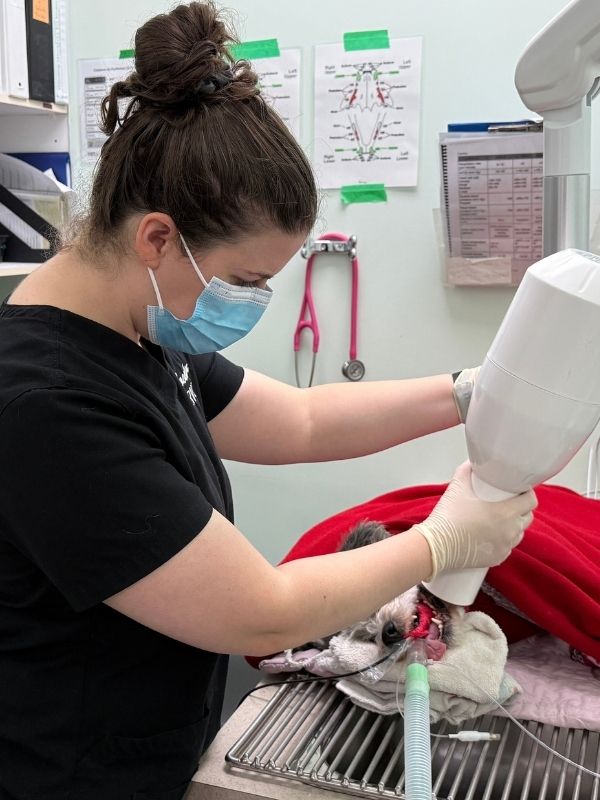
Dental disease is common in pets, and many dogs and cats do not show obvious signs of discomfort. A comprehensive oral health assessment and treatment, often called a COHAT, is performed under general anesthesia. This allows our veterinary team to X-ray the entire mouth, probe each individual tooth fully, clean the teeth, evaluate below the gumline, and treat painful or unhealthy teeth when needed.
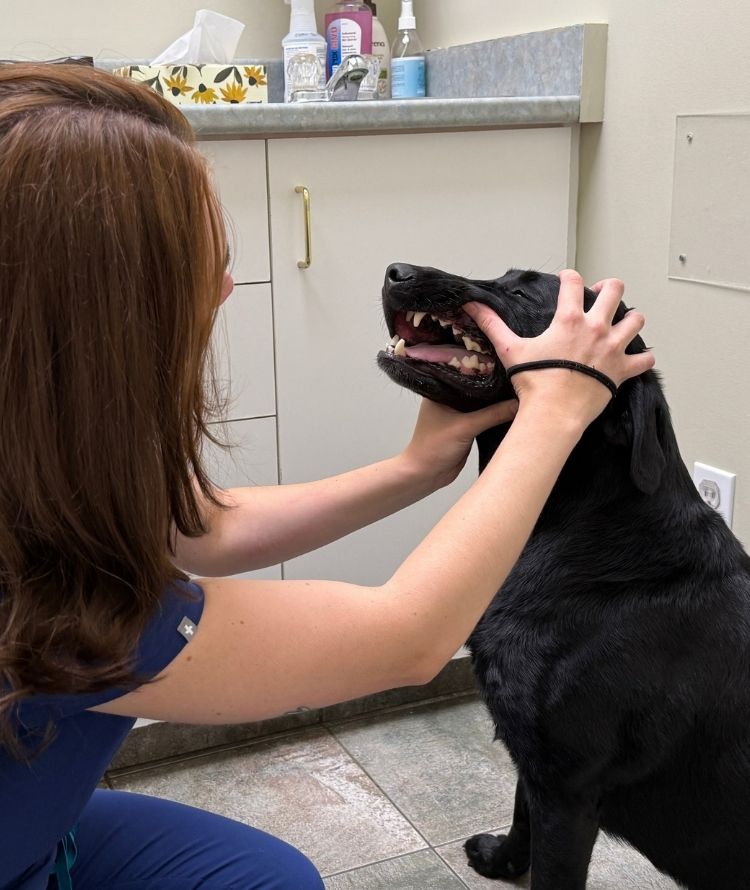
Oral Examination
Dental Cleaning
Professional cleaning removes plaque and tartar from tooth surfaces and below the gumline, where periodontal disease often begins.
Dental Polishing
Dental Radiographs
Digital dental X-rays allow our veterinarians to assess tooth roots and the surrounding bone hidden below the gumline. X-rays are essential because more than half of each tooth sits below the gumline, where it can’t be seen.
Tooth Extractions
Anesthesia Monitoring
Dental procedures are performed under general anesthesia with monitoring by a veterinarian and a Registered Veterinary Technician. Our experienced team not only performs general anesthesia on healthy patients, we do general anesthesia on higher-risk patients as well. All patients deserve a pain-free mouth.
Home Care Guidance
Why Dental Disease Matters
Hidden Pain
Whole Health
What to Expect Before Dentistry
One to two weeks before your pet’s COHAT, a pre-operative exam and blood work help assess whether your pet is a good candidate for anesthesia. Your pet may receive oral sedation to reduce stress before admission. On procedure day, our veterinary team provides anesthesia, monitoring, cleaning, radiographs, treatment, recovery care, and discharge instructions.
Pet Dentistry FAQs
These FAQs answer common questions about pet dentistry at Chicopee Hills Animal Hospital.

What are signs of dental disease in pets?
Why does my pet need dental radiographs?
Why is anesthesia used for pet dental cleanings?
General anesthesia allows a complete and safe oral assessment, cleaning below the gumline, dental probing, radiographs, and treatment when needed. It also helps protect the airway and allows our veterinarian and RVT to monitor your pet closely throughout the procedure and recovery.